How Utah’s Freeze-Thaw Cycles Affect Your Concrete Surfaces
Learn how Utah’s freeze-thaw weather damages concrete and discover how Riverton Rock and Pour Concrete protects driveways, patios, and walkways from cracking and spalling.
11/10/20256 min read
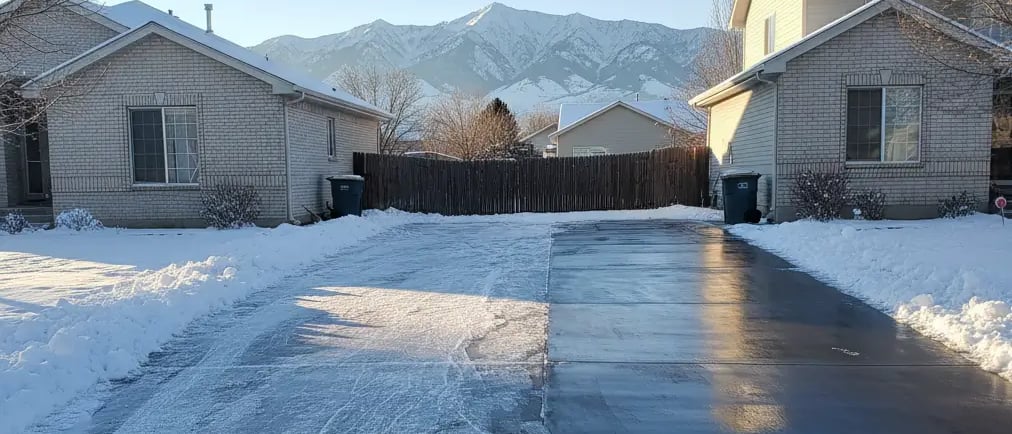
If you live in Riverton, Utah or anywhere along the Wasatch Front, you already know how unpredictable our seasons can be. One day it’s 55 degrees and sunny — the next, it’s below freezing with snow in the forecast. While this roller-coaster climate keeps life interesting, it can also take a serious toll on your concrete driveways, walkways, and patios.
At Riverton Rock and Pour Concrete, we see the effects of Utah’s freeze-thaw cycles every year. From hairline cracks to major surface scaling, these natural temperature swings can cause long-term damage if not properly managed. In this post, we’ll explain exactly why freeze-thaw damage happens, how to prevent it, and what solutions work best for Utah homeowners who want concrete that lasts.
Understanding the Freeze-Thaw Cycle
To understand how concrete gets damaged, it helps to understand the science behind Utah’s climate.
Concrete is naturally porous, meaning it contains tiny air pockets that can absorb water. During Utah’s fall, winter, and spring months, moisture seeps into these pores from rain, melting snow, or condensation. When temperatures drop below freezing, that trapped water expands as it turns to ice — exerting internal pressure inside the concrete.
When the temperature warms back up, the ice melts. This constant expansion and contraction — known as the freeze-thaw cycle — weakens the material over time. Small cracks begin to form, and if left untreated, those cracks grow, allowing even more water inside.
The result?
Cracking and flaking (spalling)
Uneven or lifted sections
Surface scaling or discoloration
Structural weakening
Riverton’s elevation and seasonal precipitation make it a perfect recipe for this kind of wear. The more freeze-thaw cycles your concrete experiences, the faster it deteriorates.
Why Utah’s Climate Is Especially Tough on Concrete
Utah is classified as a semi-arid, four-season climate, which means large temperature swings — sometimes within a single day. In Riverton and surrounding areas like Herriman, Bluffdale, and South Jordan, winter daytime highs often hover above freezing while nights drop below 32°F. That’s enough for daily freeze-thaw action during much of the winter.
A few factors make our local conditions especially harsh:
Rapid temperature fluctuations:
Unlike regions where cold stays consistent, Utah’s frequent freeze-and-melt pattern puts concrete under continuous stress.Snowmelt and runoff:
When snow melts during the day, it seeps into cracks and refreezes overnight.De-icing salts:
Homeowners often use salt to prevent ice buildup. While effective for safety, salt accelerates surface erosion and chemical breakdown.Dry summers:
After months of expansion and contraction, summer heat draws moisture out of the concrete, widening cracks and pores even further.
Common Signs of Freeze-Thaw Damage
It’s easy to overlook early signs of damage until they become major repair projects. Watch for these warning signs around your property:
Small surface cracks that expand during spring thaw.
Flaking or peeling layers of concrete (called spalling).
Pitting — small holes caused by moisture and salt intrusion.
Uneven slabs or heaving from water freezing underneath the surface.
Discoloration or chalky texture from salt damage and wear.
If you notice any of these symptoms, it’s best to call a local professional. Early intervention often saves hundreds (or even thousands) in future repairs.
How to Prevent Freeze-Thaw Damage in Utah
At Riverton Rock and Pour Concrete, we’ve spent years perfecting our methods to combat Utah’s unique weather challenges. Here’s how you can protect your concrete surfaces before — and after — the freeze sets in.
1. Choose High-Quality, Air-Entrained Concrete
When pouring new concrete, we always use air-entrained mixtures — specially designed to handle freeze-thaw cycles. These mixes contain tiny, evenly distributed air bubbles that give freezing water room to expand without cracking the slab.
Air-entrained concrete is ideal for driveways, patios, and sidewalks in Riverton because it significantly improves durability and resistance to spalling. It’s one of the simplest yet most effective ways to weather-proof your surface from the start.
2. Ensure Proper Drainage and Grading
Poor drainage is a major contributor to freeze-thaw damage. Standing water is your concrete’s worst enemy.
We recommend ensuring that:
Surfaces slope away from your home or foundation.
Downspouts and gutters divert runoff effectively.
French drains or gravel borders move water away from slab edges.
Our installation process always includes grading and site prep to prevent water from pooling and seeping under your concrete.
3. Apply a High-Quality Sealer
Concrete sealers are a vital line of defense against moisture intrusion. A penetrating sealer fills the surface pores, reducing water absorption and protecting against salt damage.
In Utah, it’s best to:
Seal new concrete after full curing (around 28 days).
Re-seal every 2–3 years depending on exposure and use.
Choose a breathable, water-repellent sealer suitable for freeze-thaw climates.
A good sealer can extend the life of your concrete by years — even decades.
4. Use Salt Alternatives for Ice Control
De-icing salts are convenient, but they can destroy the surface over time. Instead, use calcium magnesium acetate (CMA) or sand for traction during icy conditions.
If you must use traditional salt, apply it sparingly and rinse the area in spring to remove residue. Riverton Rock and Pour Concrete recommends applying a fresh sealer each fall if your surface is heavily exposed to de-icers.
5. Schedule Regular Maintenance and Inspections
Concrete is tough, but regular maintenance is essential. We advise homeowners to:
Clean surfaces each spring to remove grime and salt residue.
Inspect for cracks or chips after winter.
Repair small cracks immediately before they expand.
Our team offers annual inspection and maintenance plans for Riverton homeowners to catch issues early — saving both time and money.
Repair Options: Resurfacing vs. Replacement
If your concrete already shows visible damage from freeze-thaw stress, don’t worry — it can often be restored.
For slabs that are structurally sound but have surface flaws, resurfacing provides a fresh overlay without full demolition. It’s an affordable way to renew the look and performance of your driveway or patio while sealing out future moisture.
Concrete Replacement
If your concrete has deep cracks, lifting, or widespread scaling, full replacement is the better long-term solution. Our team removes the damaged slab, preps the base with proper grading and compaction, and pours a new mix designed for Utah’s climate.
Both options improve curb appeal and property value — but choosing the right one depends on the extent of the damage, which we can assess with a free on-site estimate.
Why Professional Installation Matters
In Utah’s demanding weather, DIY concrete pours rarely hold up. Without the correct mix, curing method, and sealer, freeze-thaw damage can start in the first season.
At Riverton Rock and Pour Concrete, our process includes:
Climate-specific concrete mixes formulated for durability.
Expert finishing techniques that minimize water absorption.
Proper expansion joints to handle temperature movement.
Sealing and curing methods proven for Riverton’s seasonal shifts.
Our team has poured and maintained hundreds of driveways, patios, steps, and retaining walls across Riverton, Herriman, and South Jordan. We know exactly what it takes to create concrete that stands the test of time — and the Utah winter.
The Long-Term Benefits of Preventive Care
When concrete is installed and maintained correctly, it can last 30 years or more — even in Utah’s variable weather. Here’s what long-term prevention provides:
Lower maintenance costs: Fewer repairs, reseals, and replacements.
Stronger aesthetics: Smooth, clean surfaces boost curb appeal.
Improved safety: No trip hazards or crumbling surfaces.
Higher property value: Professionally installed concrete adds measurable equity.
Think of it like your car — routine care prevents costly overhauls later.
Local Insight: Concrete and Utah’s Climate
Utah’s natural beauty — mountains, valleys, and dry desert air — brings unique building challenges. Because our region experiences both intense summer heat and cold winter nights, concrete must handle thermal stress year-round.
That’s why Riverton Rock and Pour Concrete uses materials and methods tailored to our region. We source high-performance concrete mixes that resist both moisture and UV exposure. We also match finishes to local architecture — from rustic stamped patios to clean, modern driveways that complement Riverton’s growing neighborhoods.
When you work with a local company, you get more than a contractor — you get experts who understand Utah’s soil, slopes, and seasons.
How to Prepare Your Concrete for Winter
As fall approaches, take these steps to get ready for the cold months:
Clean the surface: Remove debris, dirt, and oil stains.
Inspect for cracks: Fill any minor gaps with concrete caulk or patching compound.
Apply a fresh sealer: Protect against moisture absorption before the first freeze.
Ensure good drainage: Check gutters and downspouts.
Store de-icing salt alternatives: Have calcium magnesium acetate or sand on hand.
Following this checklist each autumn helps you avoid freeze-thaw surprises come spring.
When to Call the Professionals
If you’re unsure whether your concrete needs repair, replacement, or preventive sealing, it’s time for a professional opinion.
Our Riverton team provides:
Free on-site assessments
Transparent quotes (no hidden costs)
Custom solutions based on your property and budget
We believe in honesty and craftsmanship — the kind of service that builds trust and concrete that lasts.
Conclusion:
Utah’s freeze-thaw cycles are tough on concrete, but with the right materials, maintenance, and expertise, you can protect your surfaces for decades. At Riverton Rock and Pour Concrete, we combine local knowledge with high-quality workmanship to deliver concrete driveways, patios, and walkways built for Utah’s demanding climate.
If you’re in Riverton, Herriman, Bluffdale, or South Jordan, contact us today for a free estimate — and let’s make your next concrete project strong, beautiful, and built to last.
Quality concrete solutions for your construction needs.
801-316-3317
Riverton, Utah USA
© 2025. All rights reserved.
Monday to Saturday | 7:00am - 5:00pm
Contact
Saturday | 8:00am - 4:00pm
About